As flexibility and convenience define lifestyle choices, many people are questioning the traditional fitness model. Long commutes to gyms, expensive memberships, overcrowded spaces, and rigid schedules often become obstacles rather than motivators. This has led to a growing interest in one important question: Can you get fit without a gym?
The answer is a resounding yes. In fact, some of the best ways to get fit without a gym are now fixed by fitness apps that turn your smartphone into a personal trainer, progress tracker, and accountability partner. Whether your goal is weight loss, muscle toning, or achieving peak physical condition, digital fitness tools make it easier than ever, even from home.
Why Fitness Apps Are Essential for Gym-Free Fitness?
Fitness apps serve as the backbone of successful gym-free workouts by replacing the structure and support traditionally found in gyms.
1. Personalized Workout Plans
Fitness apps assess your fitness level, goals, age, and preferences to design customized routines. Whether your aim is weight loss, muscle toning, flexibility, or endurance, personalized plans ensure effective progress without unnecessary strain.
2. Clear Structure and Progression
One of the most significant benefits of fitness apps is their structured approach. Workouts are scheduled with proper warm-ups, cooldowns, rest days, and progressive intensity, helping users avoid plateaus and overtraining.
3. Anytime, Anywhere Accessibility
Fitness apps remove location dependency. You can work out at home, outdoors, while traveling, or even during short breaks, making consistency easier to maintain.
4. Accountability and Habit Building
Daily reminders, streak tracking, and goal milestones keep users accountable. Over time, these features help transform fitness from a task into a daily habit.
5. Motivation Through Smart Technology
From achievement badges to performance insights, apps use gamification and data visualization to keep users engaged and motivated.
6. Expert Instruction and Safety
High-quality apps include video demonstrations, voice guidance, and safety cues, ensuring exercises are performed correctly even without a trainer present.
What Are the Key Benefits of Getting Fit Without a Gym?
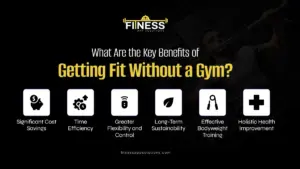
Opting for gym-free fitness offers advantages that go beyond physical health.
1. Significant Cost Savings
Skipping gym memberships, travel costs, and equipment purchases makes fitness more accessible and affordable.
2. Time Efficiency
Home workouts eliminate commuting and waiting times, allowing users to achieve effective results in shorter sessions.
3. Greater Flexibility and Control
Users can choose when, where, and how long they work out, making fitness adaptable to changing schedules.
4. Long-Term Sustainability
Convenience increases consistency, which is the foundation of lasting fitness improvements.
5. Effective Bodyweight Training
Bodyweight exercises enhance strength, balance, and endurance while reducing injury risk, making them ideal for gym-free routines.
6. Holistic Health Improvement
Fitness apps often integrate workouts with recovery, sleep tracking, and mindfulness, supporting overall physical and mental well-being.
How Fitness Apps Enable Effective Home Workouts?
Effectiveness matters. Fitness apps succeed because they apply proven training principles in a user-friendly format.
Tailored Routines for Every Goal
Fitness apps offer programs designed for specific outcomes, such as:
- Weight loss
- Muscle toning
- Strength building
- Cardiovascular endurance
- Flexibility and mobility
- Stress management
Bodyweight training, HIIT, yoga, Pilates, and functional workouts are commonly included. These methods are highly effective and adaptable, making them some of the best ways to get fit without a gym.
Progressive overload, rest days, and recovery sessions are built into the plans to ensure sustainable results.
Integration with Daily Life:
Examples include:
- Short workouts during breaks
- Morning mobility sessions
- Step goals throughout the day
- Evening stretching or relaxation routines
Many apps sync with smartwatches and health platforms, creating a holistic view of physical activity, sleep, and recovery. This transforms fitness into a lifestyle rather than a scheduled task.
Educational Resources and Safety:
Proper form and safety are essential when exercising without in-person supervision. Fitness apps address this with educational tools such as:
- Video demonstrations
- Voice-guided instructions
- Warm-up and cool-down routines
- Injury prevention tips
Some apps also provide blogs, articles, and expert insights on nutrition, hydration, posture, and mental well-being, helping users train smarter and safer.
What Are the Common Challenges of Gym-Free Fitness?
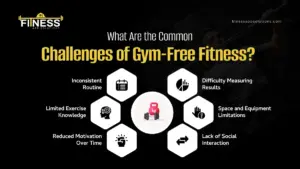
While gym-free fitness offers many advantages, understanding its challenges is essential for long-term success.
1. Inconsistent Routine:
Without a set environment, workouts can easily be postponed. Fitness apps counter this with scheduled plans and reminders that reinforce consistency.
2. Limited Exercise Knowledge
Many people lack confidence in choosing the right exercises or maintaining proper form. Guided app workouts eliminate confusion and guesswork.
3. Reduced Motivation Over Time
Motivation may fade without external encouragement. Fitness apps provide ongoing feedback, progress tracking, and encouragement to sustain engagement.
4. Difficulty Measuring Results
Without tracking tools, it is hard to know if workouts are effective. Apps provide real-time performance metrics that highlight improvement.
5. Space and Equipment Limitations
Not everyone has space or equipment at home. App-based bodyweight workouts adapt to small spaces and require minimal or no equipment.
6. Lack of Social Interaction
The absence of gym socialization can reduce motivation. Many apps include community challenges and social features to recreate that sense of connection.
Conclusion
Getting fit without a gym is no longer a trend; it is a practical, effective, and sustainable approach to health. Fitness apps remove traditional barriers like cost, time, and location while offering personalized guidance, motivation, and measurable progress.
Whether your goal is to lose weight, build strength, or discover how to get super fit without a gym, the right fitness app can support your journey every step of the way.
Fitness isn’t about where you train, it’s about consistency, smart movement, and long-term commitment. And with fitness apps, your healthiest self is always within reach.
Frequently Asked Questions (FAQs)
1.Can you really get fit without a gym?
Yes. With structured workouts, consistency, and proper guidance from fitness apps, you can build strength, endurance, flexibility, and overall fitness without ever stepping into a gym.
2.What are the best ways to get fit without a gym?
Bodyweight exercises, home HIIT workouts, yoga, walking, running, and app-guided routines are among the best ways to get fit without a gym.
3.How long does it take to see results without a gym?
Most people notice improvements in energy and strength within 2 to 4 weeks, with visible changes in 6 to 8 weeks when workouts are consistent.
4.Can fitness apps replace personal trainers?
While they may not fully replace in-person trainers for everyone, fitness apps provide personalized plans, guidance, and accountability that work well for most users.
5.Is it safe to work out at home using apps?
Yes, especially when apps include video demonstrations, proper warm-ups, and recovery guidance. Listening to your body is key.
6.How to get super fit without a gym?
Consistency, progressive workouts, proper nutrition, adequate sleep, and using data-driven fitness apps can help you get super fit without a gym.
7.Do I need equipment to use fitness apps?
Most fitness apps focus on bodyweight exercises. Some offer optional equipment-based workouts, but equipment is not required.
8.Are fitness apps suitable for beginners?
Absolutely. Many apps are designed specifically for beginners, offering low-impact workouts and gradual progression.